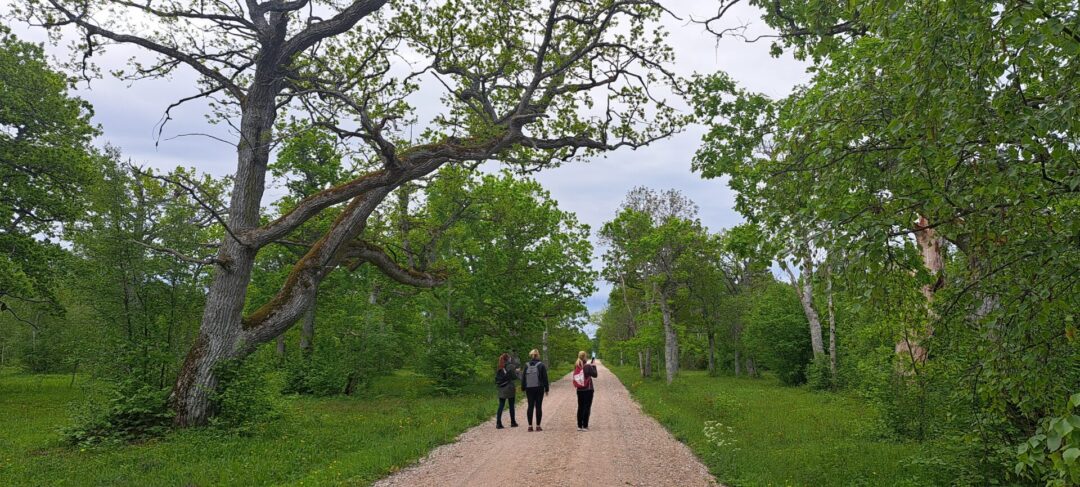
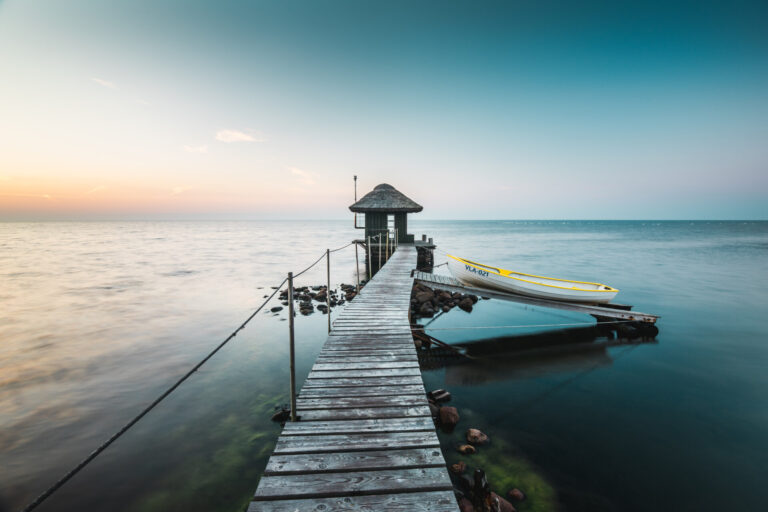
The Saaremaa and Muhu Olav Way is a planned cultural route that runs from Sõrve Säär along the southern and eastern edge of Saaremaa to the Väinatamm causeway, then continues through Muhu to the mainland, across western and northern Estonia, all the way to St. Olaf’s Church (Oleviste Church) in Tallinn.
It follows a former waterway used by Viking ships: the route ran from the island of Gotland to Sõrve Säär (both had chapels) and then continued along the islands and the Estonian coast towards Novgorod. Along the way there were various stopping points with small chapels or churches, for example in Sõrve, Saastna, Vormsi, Nõva and Pakri. In Tallinn, St. Olaf’s Church (Oleviste Church) is dedicated to Olav II.
In the Footsteps of Olav
In Norway, there are nine different hiking routes dedicated to King Olav II. The trails have expanded to Sweden, Denmark and Finland (with two routes there). Planning for a route has also begun in Estonia, and the Norwich region in England is likewise preparing to develop its own route. The St. Olav Ways in different countries are brought together in the international network ACSOW (Association for the Cultural Route of St. Olav Ways). To establish a St. Olav Ways route and join the network, a historical and geographical connection to Viking King Olav is required. Estonia has this connection directly through the historic route and the sites of former chapels.
ACSOW has set clear criteria for the infrastructure and waymarking of St. Olav Ways routes. A key focus is introducing the destination’s cultural and natural heritage to those walking the trail.
Estonia’s Steps Towards the St. Olav Ways
Planning for Estonia’s St. Olav Ways (Olavitee) began under the leadership of former Norwegian Ambassador Else Berit Eikeland (in 2021–2022), as Estonia also has historical links to Viking King Olav II through various chapels and churches. The St. Olav Ways network has been included in the European Union’s list of Cultural Routes, and Estonia has joined this network as well.
At the end of 2023, the St. Olav Foundation (SA Olav Püha Fond) was established in Estonia. Its supervisory board includes former Norwegian Ambassador to Estonia Else Berit Eikeland, the director of the Haapsalu and Läänemaa Museums and archaeologist Anton Pärn, University of Tartu professor of art history Kersti Markus, and sworn attorney Jüri Ploom. The management board also includes historian Risto-Pearu Koovit, who has a background in entrepreneurship. The foundation’s mission is to research Olav II’s heritage and to develop the St. Olav Ways route in Estonia.
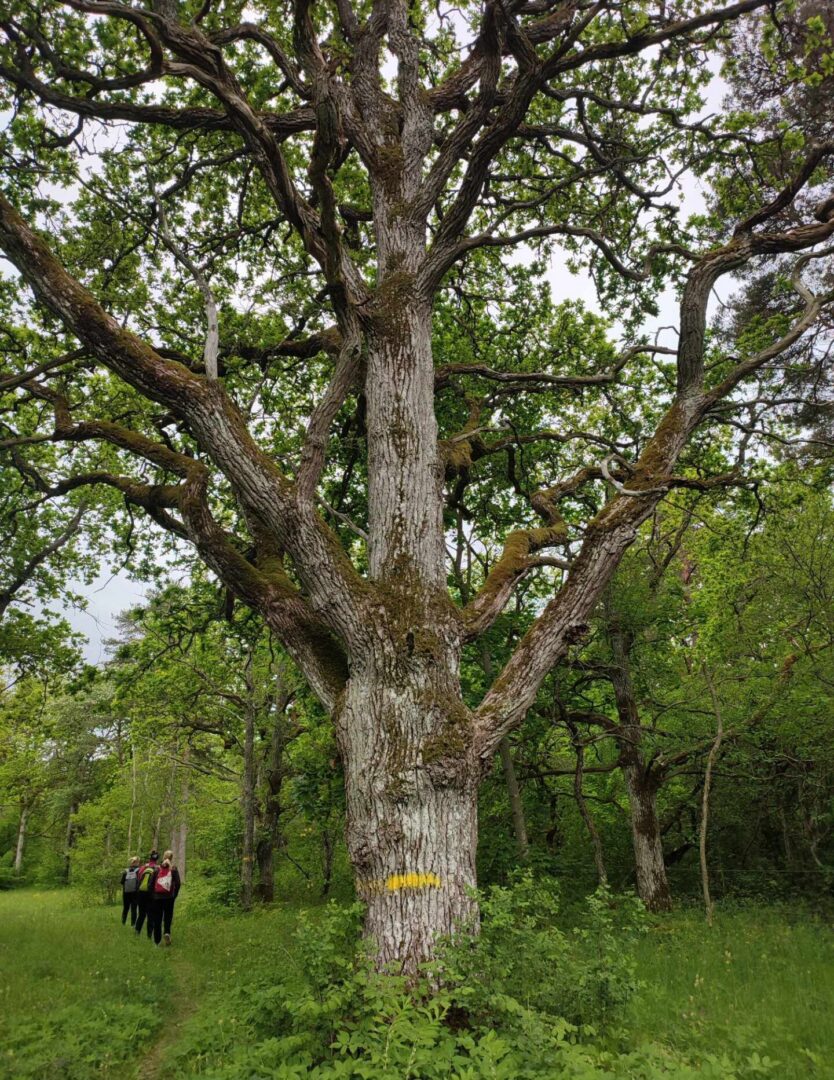
Developing the St. Olav Ways in Saaremaa and Muhu
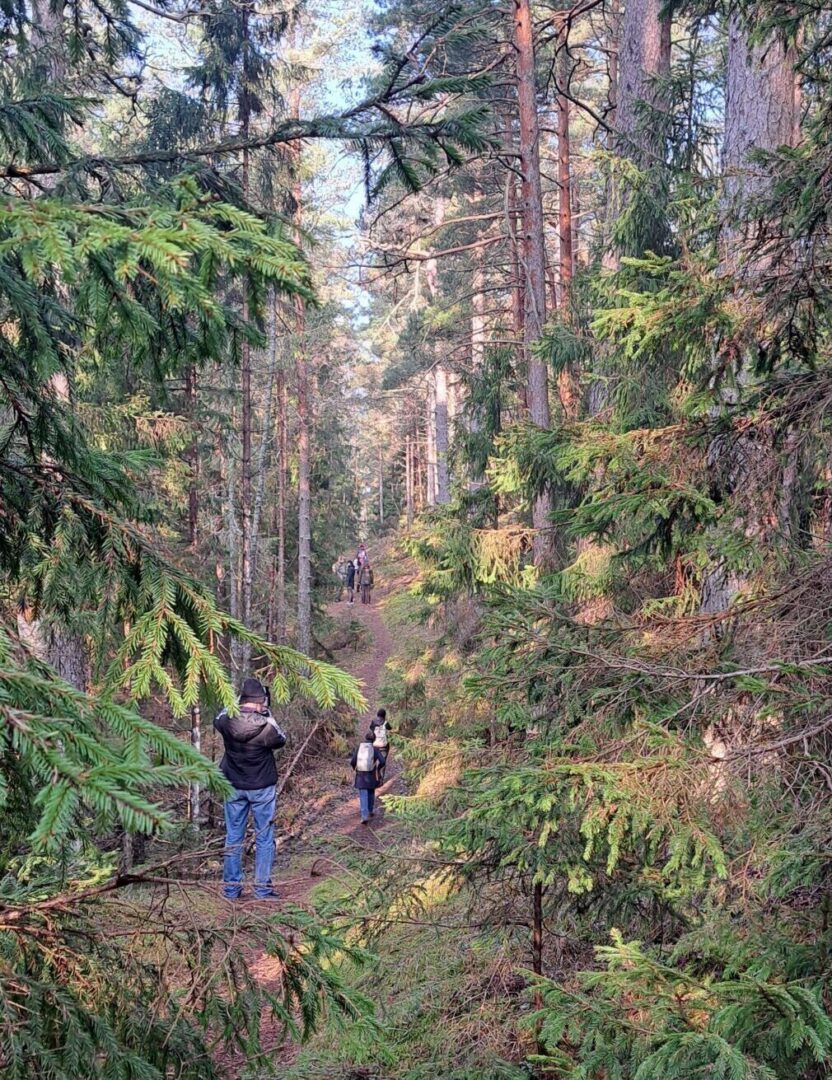
Saaremaa Rural Municipality, through Visit Saaremaa, is a partner of the St. Olav Foundation (SA Olav Püha Fond) and has taken responsibility for the section from Sõrve to Kuivastu (Saaremaa and Muhu). Work has begun on mapping a possible route in cooperation with local service centres, regional experts and hiking enthusiasts. The aim is to map 1–2 sections each month and add them to an initial working version of the route map for Saaremaa and Muhu. After that, negotiations will begin with landowners to obtain permission for waymarking. In parallel, services and cultural assets/heritage sites are being mapped so that the route is supported by infrastructure and a cultural heritage dimension.
What the St. Olav Ways can bring to Saare County
- As pilgrimage and long-distance walking are growing trends worldwide, the route would attract new visitors interested in completing emerging trails.
- Participation in an international network places the region more prominently on the map and increases visibility among hiking enthusiasts.
- Climate change and increasingly hot summers in Europe are shifting travel interest northwards, creating opportunities for growth in visitor numbers.
- Different sections of the trail also provide opportunities for local residents to enjoy active recreation and everyday outdoor activity.
- The route can involve local people and regional experts who can share their knowledge and memories as guides—an offer that can be developed as a dedicated product for nature and cultural tourists.
- Schools can use the route for hiking days combined with learning about nature and local cultural heritage.
- People and businesses located near the trail gain opportunities to provide services – accommodation, food, and the sale of local products.
- It offers all of us a chance to slow down and spend a few days walking and travelling along the route.